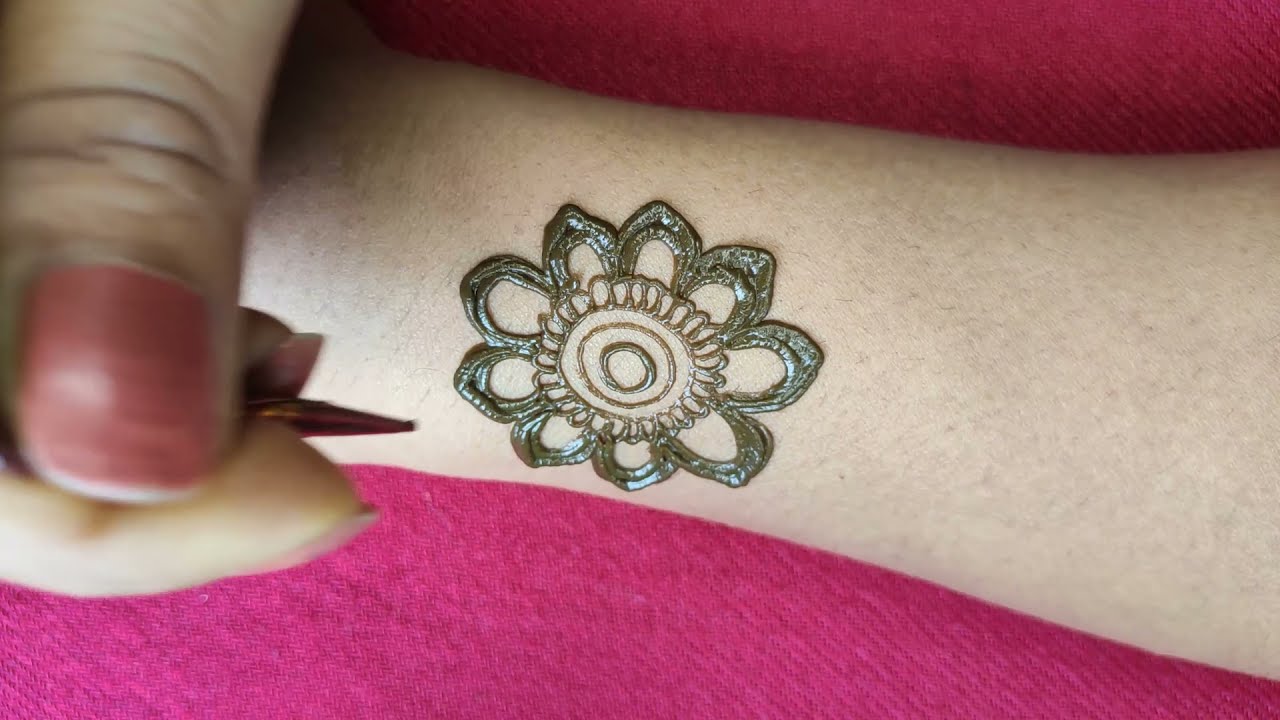
Mehndi is an old form of temporary body art as well as a cosmetic skin design typically drawn on the hands or legs using a special paste, made principally from the dried, dried leaves from the henna plant (Lawsonia somnifera). It has been a popular aesthetic art style among urban women from India, Bangladesh, Pakistan, Nepal, Iran, and... It was in use since the time of the ancients and was even considered to be a form of religion in some regions of India. Henna is one of the components of makeup. Henna designs are used for hair treatment, face painting, tattooing, body art and for artistic application on skin.
Henna tattoos aren't only used to enhance the beauty of the Arabic Mehndi Design skin but also to provide color. Henna color varies based on the amount of henna applied, the length of the applied dye, and the color of the skin pigmentation. Henna tattoos aren't only good to look at, they are also beneficial for the body. The colorant used in hues of henna is extracted from plants and safe due to the presence of vitamins and minerals.
Henna designs embellished with henna leaves can be created into patterns of decorative design by interlacing thin threads by plaiting the ends. Henna designs can be sewn onto cloth or put on bracelets. Henna designs for hands are very popular. You can make an individual design by yourself or ask a skilled artist to draw your design for you. Henna paints can also be applied on other fabrics like silk. A traditional wedding with henna in India is done with mehendi, which is used for tying the saree along with other pieces of cloth.
Henna hand designs are best applied using a tiny amount of oil prior to applying. Start by applying a small amount and then rub it firmly on the skin for the paste to dry. Apply your hands to spread the paste around the area to achieve a smooth finish. It is helpful to keep a blotting cloth to clean off any excess paste prior to moving on to the next step.
Henna leg designs could be made with more care. The designs should be designed cautiously so that the colors do not get absorbed into clothing. Then, place the design directly onto the skin. Create a circular design around the design. Then, take a clean piece of paper and outline the design with the lines indented. You can then fill in the lines with colored pencils to help it stand out.
To give the henna patterns for legs an Asian accent, wrap your upper arm with tissue paper. Leave some hair visible. Apply the henna on the skin and gently wrap the tissue paper to form the shape of a ring. Once complete, employ a pair to cut small slits into the ring for the design to lie upon. The slits will permit the dye to soak into the palm's skin and create a lovely contrast between the skin and the patterned ring.
Henna designs for feet and hands should be treated with care. Since the skin of these areas is more sensitive than other areas parts of your body, you must apply the henna products with great care. Henna can be easily removed using soap and warm water, but it is prone to a lot of abuse over time. Make sure you apply henna to your hands and feet after having been properly cleaned prior to applying. Once the henna has been applied, feet and hands need to remain dry until it has dried.
Henna patterns for the body can be made into whatever you desire. Henna tattoos are able to be combined together with natural substances to make an appealing combination or stand alone. Since this plants is natural, there's a good chance that the colors will fade over time. If you opt to get the tattoo of a henna flower, be aware that it will probably fade faster than other natural designs that you have on your body. Therefore, you must consider carefully the type of fabric you'd like to choose.